Free
$0/month
For light use and first tests
- Published price: $0.
- Live usage limits apply.
- Check the official plan page for access.
Claude AI news tracks official changes to Anthropic’s Claude models, products, pricing, safety work, and service status; c-ai.chat explains those updates independently in our Claude AI guide and points you to the official source before you act.

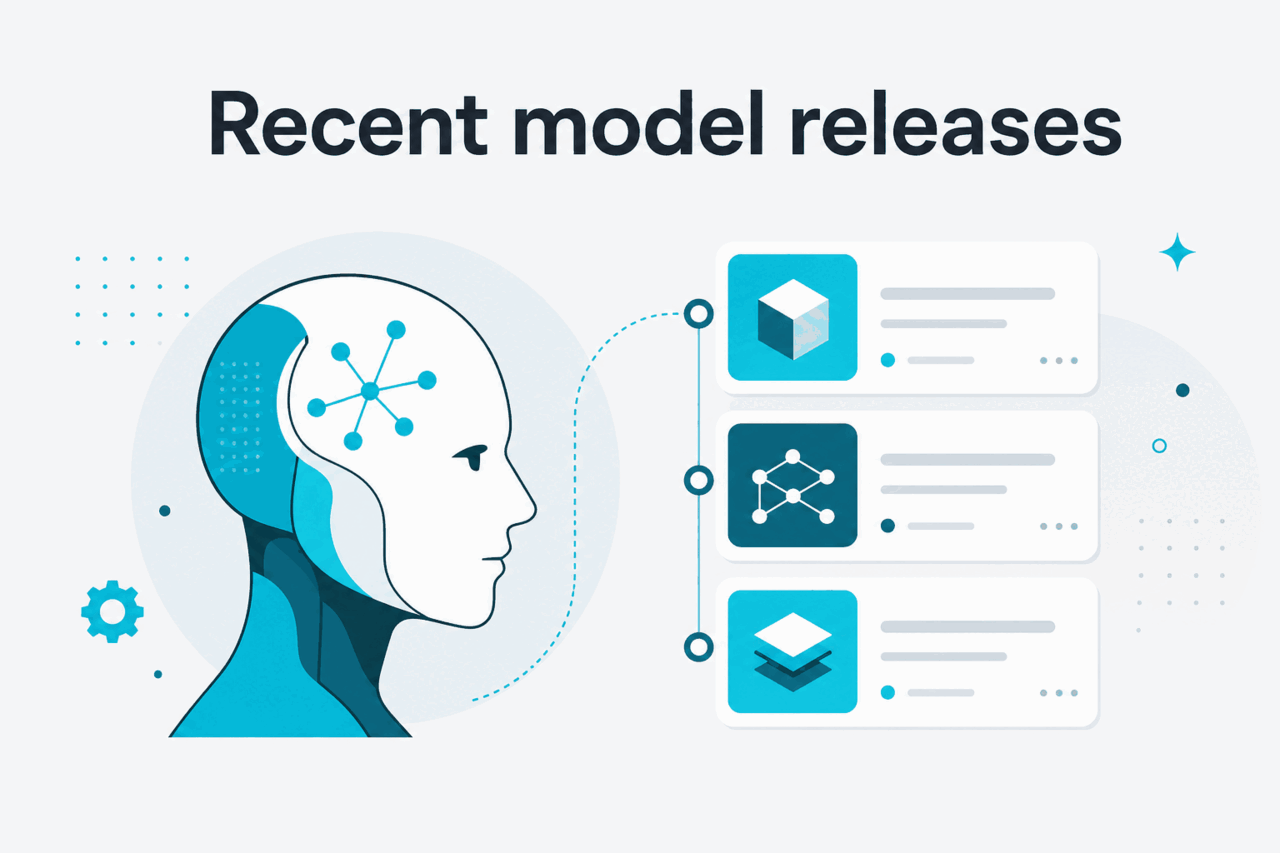
Claude updates tend to cluster around four surfaces: the model lineup, the Claude app, developer tools, and safety or policy work. Opus 4.7 is the flagship model. Sonnet 4.6 is the balanced default for many tasks. Haiku 4.5 is the fastest, lowest-cost current model. Product updates can also affect Claude Code, Cowork, Skills, Projects, Research, Office integrations, team controls, prompt caching, and the Batch API.
Ask three questions first: does the update change what you can use, what you should pay for, or what your team needs to review? Use our Claude models guide, Claude features guide, Claude pricing guide, and Claude API guide when a news item affects your workflow. Official posts announce the change. Docs, pricing pages, support pages, and the status page usually contain the operational detail.
We treat an item as news when it changes model choice, product access, developer implementation, governance, or service reliability. A benchmark claim alone is weaker than a documented model ID, supported feature, pricing rule, admin control, or live status notice.
| News type | What it usually means | Where to verify |
|---|---|---|
| Model release | A new Claude model, renamed model, context change, or shift in recommended use. | Platform model overview |
| Product launch | A new Claude app feature, workspace capability, integration, or coding tool. | Claude pricing and Anthropic support |
| Pricing or access update | A plan, rate, discount, output limit, or usage rule that changes cost or availability. | API pricing docs and Claude pricing |
| Policy or research post | Safety evaluations, public-policy positions, trust updates, or technical research context. | Anthropic news and Anthropic research |
| Status notice | Availability, latency, or incident information that affects live use. | Claude status page |
Start with Anthropic’s official news feed, the Claude plan page, developer docs, or the status page. Screenshots and reposts are not primary evidence.
Check whether the update applies to the Claude app, the API, Claude Code, team administration, enterprise controls, or research context.
Look for Opus, Sonnet, or Haiku. Cost, context, latency, and output behavior vary by model family.
Look for plan limits, usage limits, API rates, prompt caching rules, Batch API discounts, and output limits before moving a workflow.
Run a small real task before changing production prompts, team policy, or procurement assumptions.
Example
If Anthropic announces a stronger Sonnet model, do not move production prompts from the news post alone. Confirm the model ID, context window, output limit, API rate, and plan access. Then test your own prompts.
An announcement is actionable only after an official page, product surface, developer doc, or status notice gives you enough detail to decide.

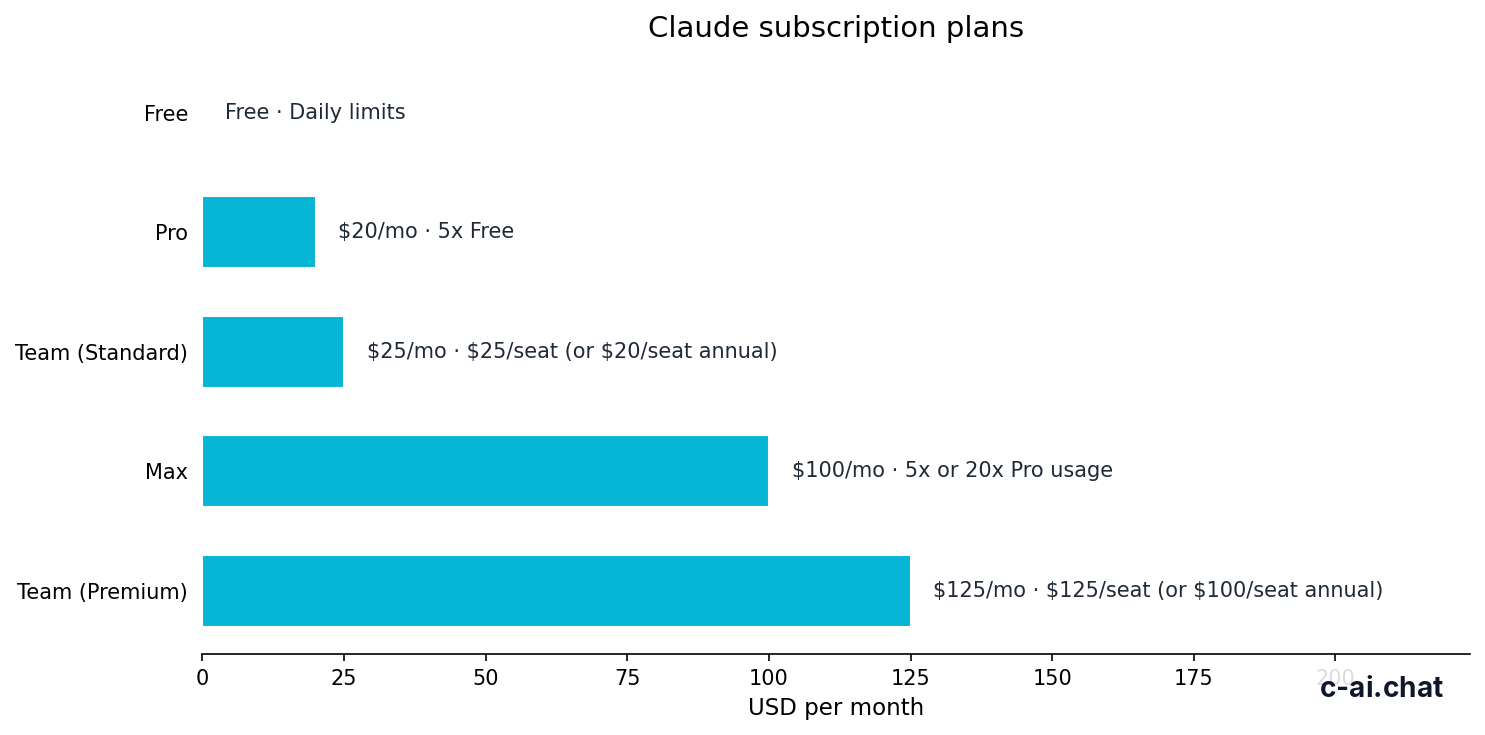
The lineup is easiest to read as four practical entries. Opus 4.7 is the flagship. Opus 4.6 is the previous flagship reference point. Sonnet 4.6 is the balanced default for many production tasks. Haiku 4.5 is the fast, low-cost option.
A model name alone is not enough. Developers need the supported model ID, context limit, tool behavior, output limit, and API price. Claude app users need plan access and any change to the default model. Verify details in the official model overview before changing prompts or routing.
| Model | Role in the lineup | API price | Context note | Output note | How to read the news |
|---|---|---|---|---|---|
| Claude Opus 4.7 | Flagship | $5/M input; $25/M output | 1,000,000 tokens | Check official docs for limits | Most relevant when complex reasoning and long-context work matter more than lowest cost. |
| Claude Opus 4.6 | Previous flagship reference point | $5/M input; $25/M output | Check official docs for limits | Check official docs for limits | Useful for migration comparisons and workflows that still reference the prior flagship. |
| Claude Sonnet 4.6 | Balanced default | $3/M input; $15/M output | 1,000,000 tokens | 128K max output | The model to check first for balanced quality, cost, and broad production use. |
| Claude Haiku 4.5 | Fast, low-cost option | $1/M input; $5/M output | Check official docs for limits | Check official docs for limits | Most relevant for high-volume extraction, classification, routing, and latency-sensitive work. |
1,000,000
tokens of context on Opus 4.7 and Sonnet 4.6. Sonnet 4.6 also supports 128K maximum output.
For Claude app users, a model release can change output quality, response style, usage limits, and which tasks feel practical. The visible difference is usually not a benchmark score. It is whether Claude handles a messy document, long research trail, codebase question, or complex instruction with fewer retries.
For developers, a release affects routing, prompt design, evaluation data, token budgets, and fallback strategy. Test tool use, output length, context size, and latency with your own examples before moving production traffic.
The model price is only the first cost signal. Prompt caching gives 90% off cached input tokens. The Batch API gives 50% off input and output tokens. Long context on Opus 4.7 and Sonnet 4.6 can also change whether you need chunking, retrieval, or batch processing.
| Cost lever | Official pricing fact | Why it matters |
|---|---|---|
| Prompt caching | 90% off cached input | Useful when prompts reuse long instructions, shared context, policies, schemas, or reference material. |
| Batch API | 50% off input and output | Useful for non-urgent jobs such as offline classification, migration, enrichment, or evaluation runs. |
| Long context | 1,000,000-token context on Opus 4.7 and Sonnet 4.6 | Useful when you need to process large files or long histories without aggressive chunking. |
Product launches change where Claude appears or how a workflow runs. A launch can involve the Claude app, Claude Code, Cowork, Skills, Projects, Research, Office integrations, connectors, or team and enterprise controls. Availability can depend on plan, workspace, beta status, and admin settings, so verify access on the official plan and support pages.
A launch is not the same as a model release. A coding update, for example, might combine model behavior, Claude Code access, repository context, and tool permissions. Read each announcement by surface: app, API, developer tool, or admin control.
| Product surface | What to look for in the announcement | What to verify before relying on it |
|---|---|---|
| Claude app | Chat features, Projects, Research, file work, connectors, and model access. | Plan limits, model availability, upload behavior, and workspace settings. |
| Claude Code | Coding workflows, repository context, terminal use, and developer automation. | Supported setup, account access, tool behavior, and project security expectations. |
| Cowork and collaboration | Features that change how individuals and teams work with Claude. | Plan access, workspace rules, sharing controls, and admin visibility. |
| Skills | Packaged instructions or resources for repeated tasks. | Where Skills are available, who can create or manage them, and how they interact with workspace policies. |
| Office integrations | Document, spreadsheet, or presentation workflows. | Supported files, account access, organization controls, and whether the feature is enabled for your workspace. |
| Team and enterprise controls | SSO, admin controls, audit logs, SCIM, spend controls, trust settings, and data residency options. | Contract terms, security requirements, and official trust or admin documentation. |
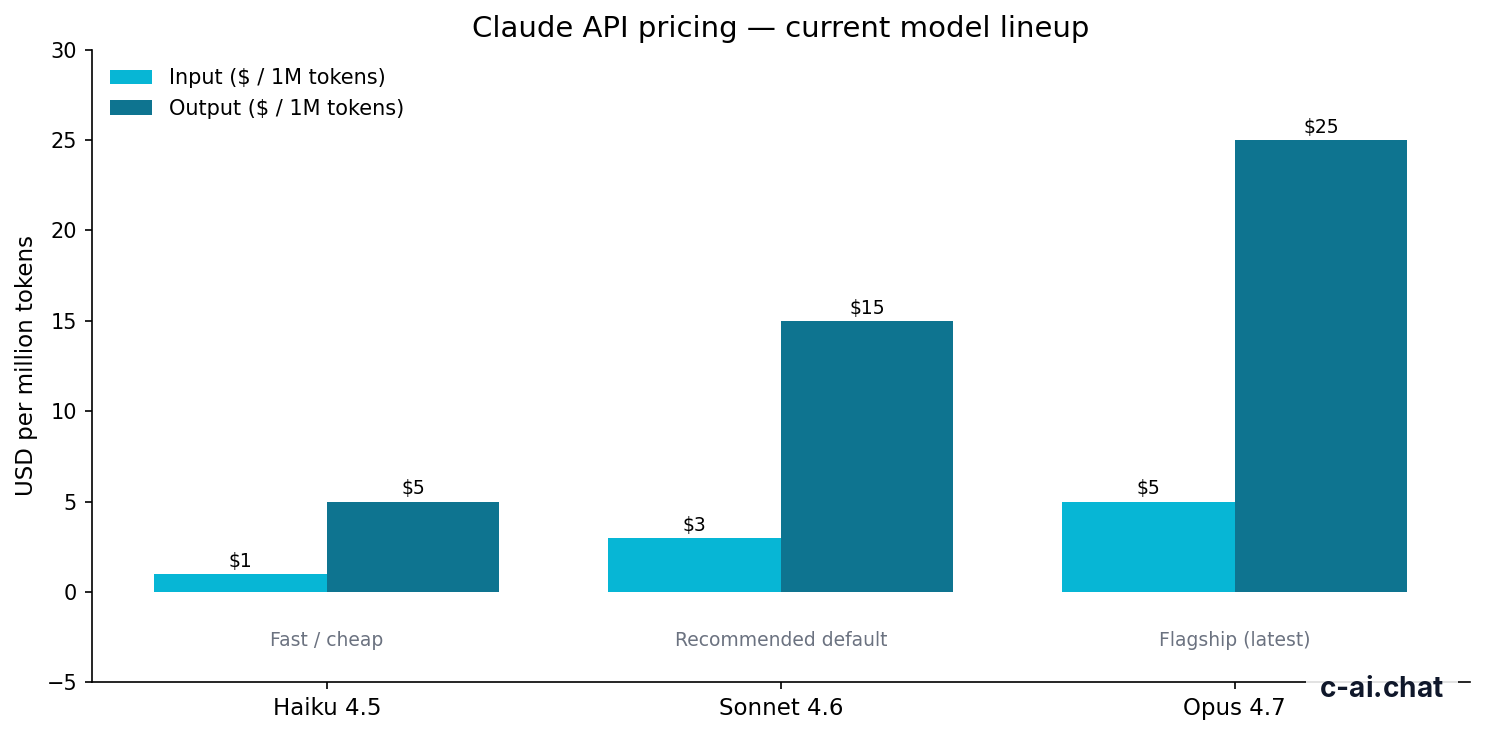
Plan names matter because new features rarely apply equally to every account. A feature can be announced publicly while still being limited by usage caps, plan tier, workspace policy, or beta access. Check live availability on claude.com/pricing.
$0/month
For light use and first tests
$20/month
For individuals who use Claude regularly
From $100/month
For heavier individual use
$25/seat/month
For team workspaces
$125/seat/month
For higher-capacity team use
$20/seat base + API rates
For organizations with direct requirements
A product launch should give users a new place to work, a new workflow, a new integration, or a new control. A vague capability claim is weaker. Look for the supported surface, plan requirement, admin model, and official help page.
For teams, the most important details are often the controls around the feature. Shared workspaces, SSO, audit logs, data residency, and spend controls decide whether a Claude feature can be adopted inside a company. For individual users, the practical details are usage limits, model access, output limits, and whether the feature is enabled in the app they use.

Anthropic also publishes safety evaluations, model behavior research, responsible scaling updates, policy positions, and trust or compliance material. Treat those posts as governance and risk context unless the docs or product pages connect them to a supported feature. Start with anthropic.com/news; use anthropic.com/research and trust.anthropic.com for technical and compliance context.
Verdict. Track Claude AI news, but do not treat every announcement as an action item. The safe order is official post, relevant docs, pricing or status page if needed, then independent context. c-ai.chat is a filter, not the source of truth for contracts, rates, or live availability.
Anthropic’s official news feed is the starting point for announcements. Use the relevant docs, pricing page, support page, status page, or trust site to confirm product facts, rates, service availability, and contractual details.
No. c-ai.chat is independent. Anthropic makes Claude, and claude.ai is the official product. This site explains the Claude ecosystem from a third-party point of view.
No. A new model can launch while older models remain relevant for migrations, compatibility, pricing, or existing workflows. Availability can also differ between the Claude app and the API.
Look at the surface named in the announcement. Claude app, Projects, Research, Cowork, and Office integrations are usually product or plan questions. Model IDs, token pricing, prompt caching, Batch API, context windows, and tool implementation are usually API questions. Some announcements affect both.
Subscription plan details should be verified on claude.com/pricing. API rates and optimization rules should be verified in the platform pricing docs.
No. Research posts can explain safety work, model behavior, evaluations, policy ideas, or technical direction. They do not always mean a Claude app feature or API feature has launched.
Use status.claude.com for service availability and incidents. Product news and research posts are not status pages.
Use official pages for facts and independent pages for context. These are the sources we check before treating a Claude update as actionable.
When sources disagree, prioritize the page closest to the operational question. A company news post is useful for the announcement. Model docs are better for model IDs. Pricing pages are better for rates. The status page is better for live availability.
| Question | Best official place to check | Why it matters |
|---|---|---|
| What did Anthropic announce? | anthropic.com/news | Primary company announcements and product narrative. |
| What research supports the claim? | anthropic.com/research | Safety, policy, and technical context. |
| Which model should I use? | Platform model overview | Model IDs, lineup details, and developer-facing model information. |
| What will the API cost? | API pricing docs | Per-token rates, prompt caching, Batch API, and long-context pricing rules. |
| What does the Claude app plan include? | claude.com/pricing | Free, Pro, Max, Team, and Enterprise plan access. |
| Is Claude down or slow? | status.claude.com | Live service status and incident information. |
| What about trust and compliance? | trust.anthropic.com | Security, privacy, compliance, and trust materials. |
| Where are developer docs? | docs.claude.com and platform.claude.com | Implementation guidance, platform behavior, and API documentation. |
Independent guide. Not affiliated with Anthropic. For the official Claude product, visit claude.ai.

Claude personal guidance refers to Anthropic research and product direction around making Claude more useful, steerable, and context-aware for individual users; this page is an independent guide from c-ai.chat, not Anthropic, and it breaks the topic into the headline, the…

The claude 2026 recap is simple: Claude got broader model coverage, clearer pricing, more product tiers, and stronger options for individuals, teams, and API users, while Anthropic kept pushing Claude as both a consumer app and a developer platform. c-ai.chat…

Claude monthly news is the short version of what Anthropic changed in Claude recently, why it matters, and where to verify it; this page is an independent digest from c-ai.chat, not Anthropic, with a quick headline, the details, user impact,…
The claude database deletion story refers to reporting about how Anthropic handled a request tied to Claude conversation data; the key point for most readers is that c-ai.chat is an independent guide, not Anthropic, and this page explains what was…
Claude release notes are the official record of what changed in Claude, but this page is the independent version: a plain-English summary of the latest update, what it means, and where to verify the details on the official Claude and…

The Claude blog usually refers to Anthropic’s official news and update posts about Claude, while this page on c-ai.chat is an independent guide that explains what a given announcement means, what actually changed, and whether it matters for regular users.…

Claude code news is the latest information about Anthropic’s coding tool, related product changes, and how those updates affect Claude users; c-ai.chat is an independent guide, not Anthropic, and this page gives you the headline, the details, what it means,…

Claude updates are the product, model, pricing, and policy changes Anthropic makes to Claude; this page is c-ai.chat’s independent timeline format for understanding what changed, what it means, and where to verify it in the official Claude and Anthropic materials.…

Looking for anthropic news? This page gives you a clear, independent update on the latest Anthropic announcement, what changed, what it means for Claude users, and where to verify the official details from Anthropic itself. For broader coverage, see our…

Claude AI news means official Anthropic updates about Claude models, claude.ai, subscriptions, the API, trust, and platform changes; c-ai.chat tracks those updates independently and explains what they mean for users, with broader context in our Claude AI resources. The headline…