
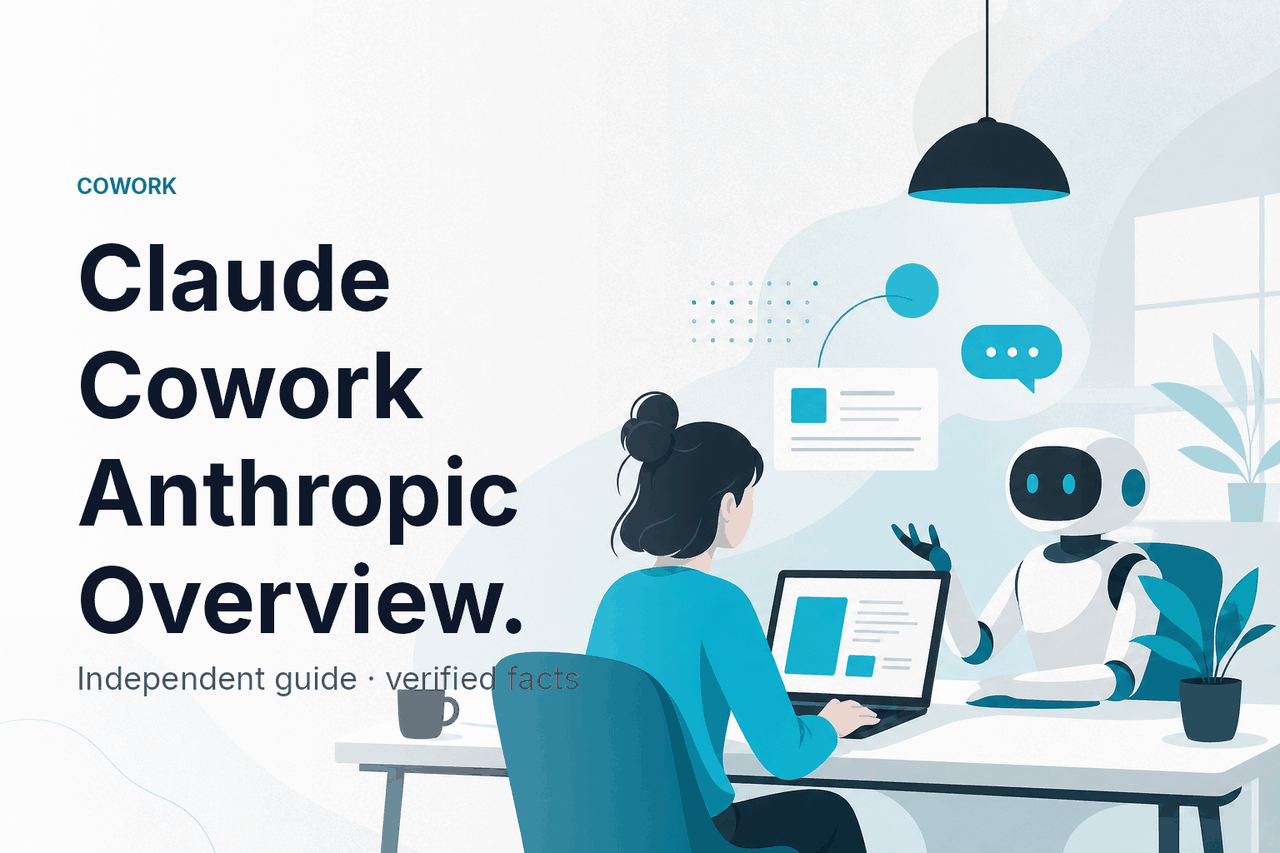
Claude Cowork brings Claude Code-style agentic execution to everyday knowledge work — with no terminal required. You describe a complex, multi-step task in plain language, and Claude plans it, does the work step by step, and hands back finished files. This guide explains what Cowork really is, what it produces, where the work runs, and who can use it. For the wider topic, see our Claude Cowork hub and What is Claude Cowork?
- What Claude Cowork actually is
- Agentic execution, not a chat room
- What Cowork produces
- Why you can close your laptop
- Who can use it, and where
- How Cowork relates to Claude Code
- Sources
What Claude Cowork actually is
Claude Cowork is Anthropic’s way of pointing an autonomous agent at knowledge work. The same approach that powers Claude Code — plan a task, take actions, run code, check the result, and keep going until it is done — is applied to the kind of work most people do in documents, slides, and spreadsheets rather than in a code editor. The difference that matters to non-developers: you never open a terminal. You write a brief, and Claude executes it. Tasks that need local files, your browser, or computer use still require the Claude Desktop app and that device to stay available.
- Agentic execution of multi-step tasks — no terminal
- Produces real files: decks, spreadsheets, docs, research
- Runs remotely in an isolated environment (sessions and files are saved to your Claude account)
- Available on paid plans: Pro, Max, Team, Enterprise
Agentic execution, not a chat room
This is the point most write-ups get wrong, and it is worth stating plainly. Cowork is not a shared team workspace, a group chat, or a multiplayer document editor. It is an agent that does work on your behalf. You give it an objective; it breaks that objective into steps and carries them out.
Because Cowork lives inside your Claude account, you can start a task on one device and resume it on another — begin on the web at your desk, check progress from the desktop app later. That is same-account continuity, not two people occupying one live session. There is no documented feature for a teammate to join your running Cowork session; the collaboration story is “hand a capable agent a job,” not “sit in a room together.”
What Cowork produces
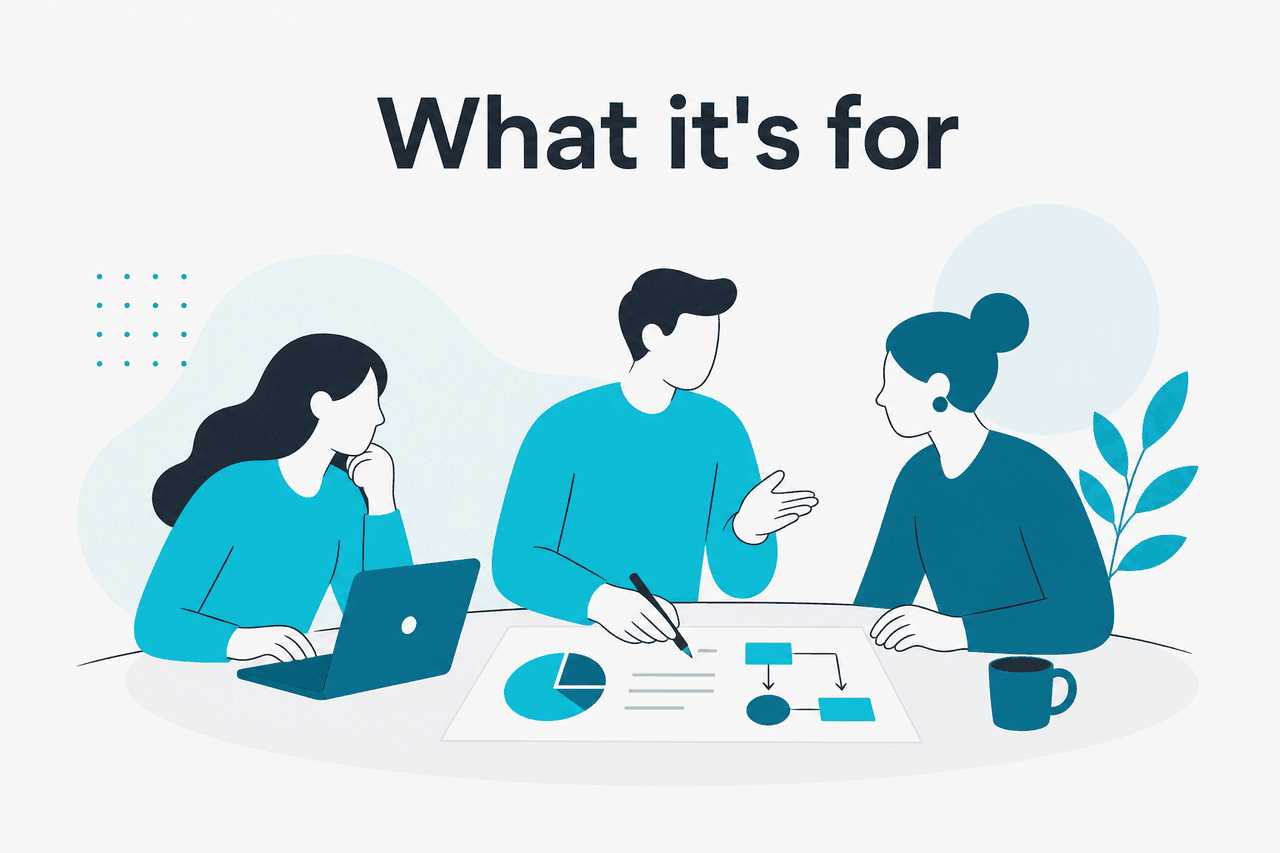
The output of a Cowork task is real, downloadable work, not just a chat reply. In practice that means:
- Presentations and slide decks assembled from your inputs and structured into a narrative.
- Spreadsheets and models — tables, calculations, and summaries built from raw numbers.
- Long-form documents such as briefs, reports, memos, and drafts.
- Research write-ups that gather, organise, and summarise information into a finished piece.
For worked examples of each, see our Cowork use cases guide.
Why you can close your laptop
The agent loop and any code Cowork needs to run execute remotely, on Anthropic-managed servers inside an isolated environment on Anthropic’s servers (sessions and files are saved to your Claude account). Nothing is installed on your machine to do the heavy lifting. Because the work happens server-side, a long task keeps running after you step away — Anthropic’s own framing is “close your laptop, Claude keeps going.” You come back to finished files rather than a spinner.
Server-side
work continues after you close your laptop
Who can use it, and where
Cowork is part of the paid Claude plans — Pro, Max, Team, and Enterprise. It is not on the free tier. You reach it inside the Claude apps for web and desktop, with a mobile experience in beta. There is no separate “Cowork” app to install; it is a capability inside Claude. For current plan details and prices, check the Claude pricing guide, and for how to turn it on, see how to access Cowork.
How Cowork relates to Claude Code
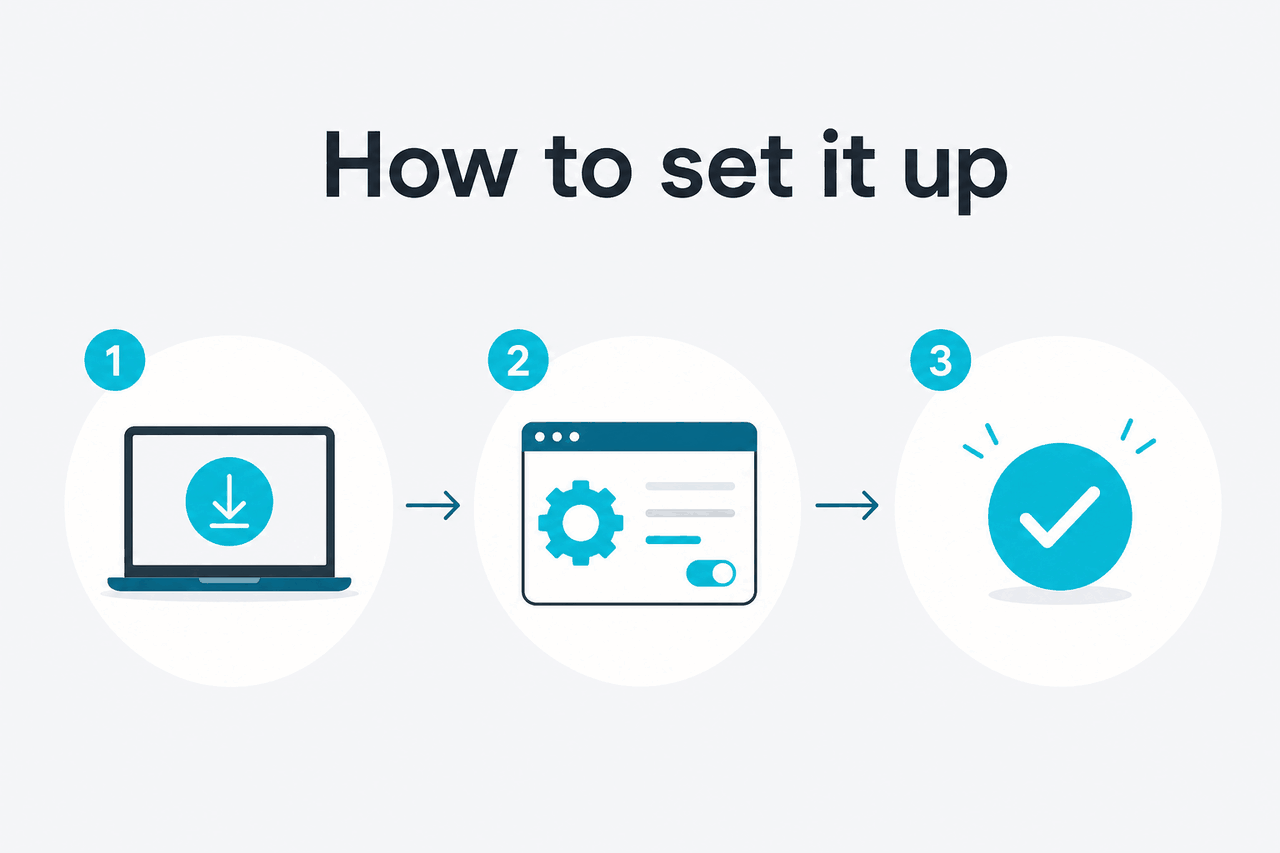
Claude Code is Anthropic’s coding agent for the terminal, IDE, and web — built for developers who live in a codebase. Cowork takes the same agentic engine and points it at knowledge work, so someone who never opens a command line can still delegate a genuinely complex task and get finished files back. Think of them as two front doors to the same idea: autonomous, multi-step execution, tuned for two different audiences. The models behind both are the current Claude line — Sonnet 5 as the default, with Opus 4.8, Fable 5, and Haiku 4.5 also available.
Cowork is a good fit when
- You have a multi-step task with a concrete deliverable
- You want a finished deck, sheet, doc, or research write-up
- You would rather delegate than do every step by hand
Look elsewhere when
- You want live team chat or a shared editing room
- You need a quick one-line answer (regular Claude chat is faster)
- You are on the free plan (Cowork needs a paid plan)
c-ai.chat is an independent guide to Claude and is not affiliated with Anthropic. Claude Cowork is an official Anthropic product; use it inside the Claude apps at claude.ai.
Facts verified: 2026-07-14