
Constitutional AI is Anthropic’s method for training and steering Claude with an explicit set of principles, so the model learns to critique and revise its own answers toward being more helpful, honest, and safer. This guide is from c-ai.chat, an independent reference site, not Anthropic, and it explains what the term means, how it shows up in Claude, and what it does not guarantee. For broader context, see our Claude AI overview.
- The short answer
- The full story
- What this means in practice
- Other questions readers ask
- The honest take
The short answer
Constitutional AI is a training approach developed by Anthropic where an AI model is guided by a written “constitution” of rules and principles, then trained to review and improve its own outputs against those principles instead of relying only on large volumes of human correction.
- Anthropic introduced the term
- Uses a written set of principles
- Models self-critique and revise responses
- Improves alignment, not perfect safety
In plain English, constitutional ai is one reason Claude often refuses certain requests, explains boundaries in natural language, and aims to be transparent about uncertainty. If you want the bigger Claude picture, our Anthropic guide and Claude features overview connect this idea to the actual product.
The full story
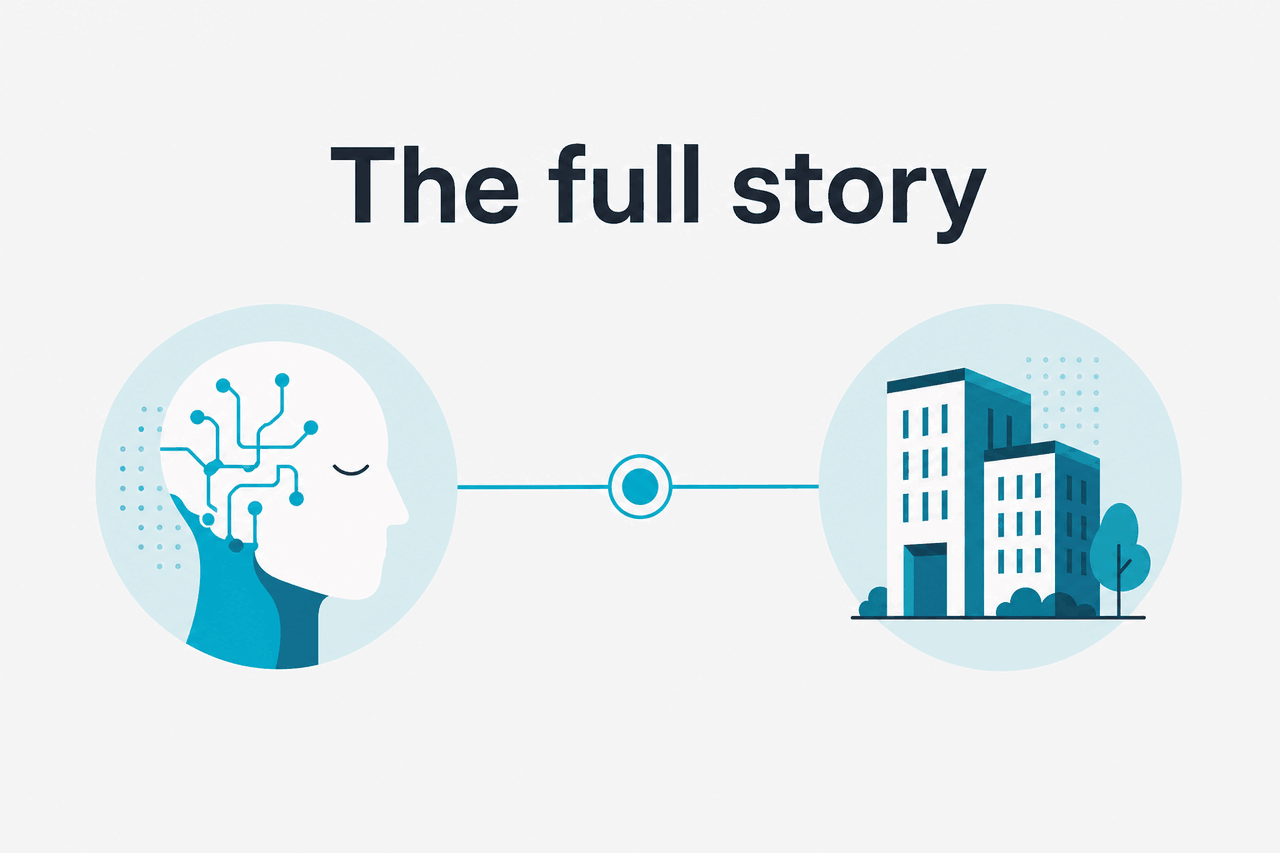
Anthropic uses “Constitutional AI” to describe a specific alignment method. The core idea is simple: give the model a set of principles, ask it to judge its own response against those principles, and train it on the improved version. Anthropic first set this out in its research and continues to position Claude as a model family built around helpfulness, honesty, and safety. You can verify the company background at anthropic.com and Claude’s official product at claude.ai.
This matters because many people assume AI safety is only a moderation filter added after the model is built. That is too narrow. Constitutional ai is about shaping model behaviour during training, not just blocking outputs at the end. In practice, Claude’s behaviour also depends on model design, additional safety systems, product rules, and deployment choices, but the constitutional layer is a central part of Anthropic’s public approach. Anthropic’s developer documentation at docs.claude.com and platform.claude.com provides the official context for how Claude models are offered and used.
Another useful distinction: constitutional ai is not the same thing as a single fixed prompt hidden inside Claude. It is better understood as a training philosophy and process. Anthropic can update model behaviour across model generations, products, and safety policies without that meaning there is one public master prompt you can inspect line by line. That is why the term often appears in research, trust, and company materials rather than consumer pricing pages.
If you are comparing Claude with other assistants, this helps explain why Claude often sounds more deliberative in safety-sensitive areas. It may ask clarifying questions, refuse requests, or offer a safer alternative instead of answering directly. For a broader user-facing introduction, start at our c-ai.chat homepage or the main Claude FAQ.
What this means in practice
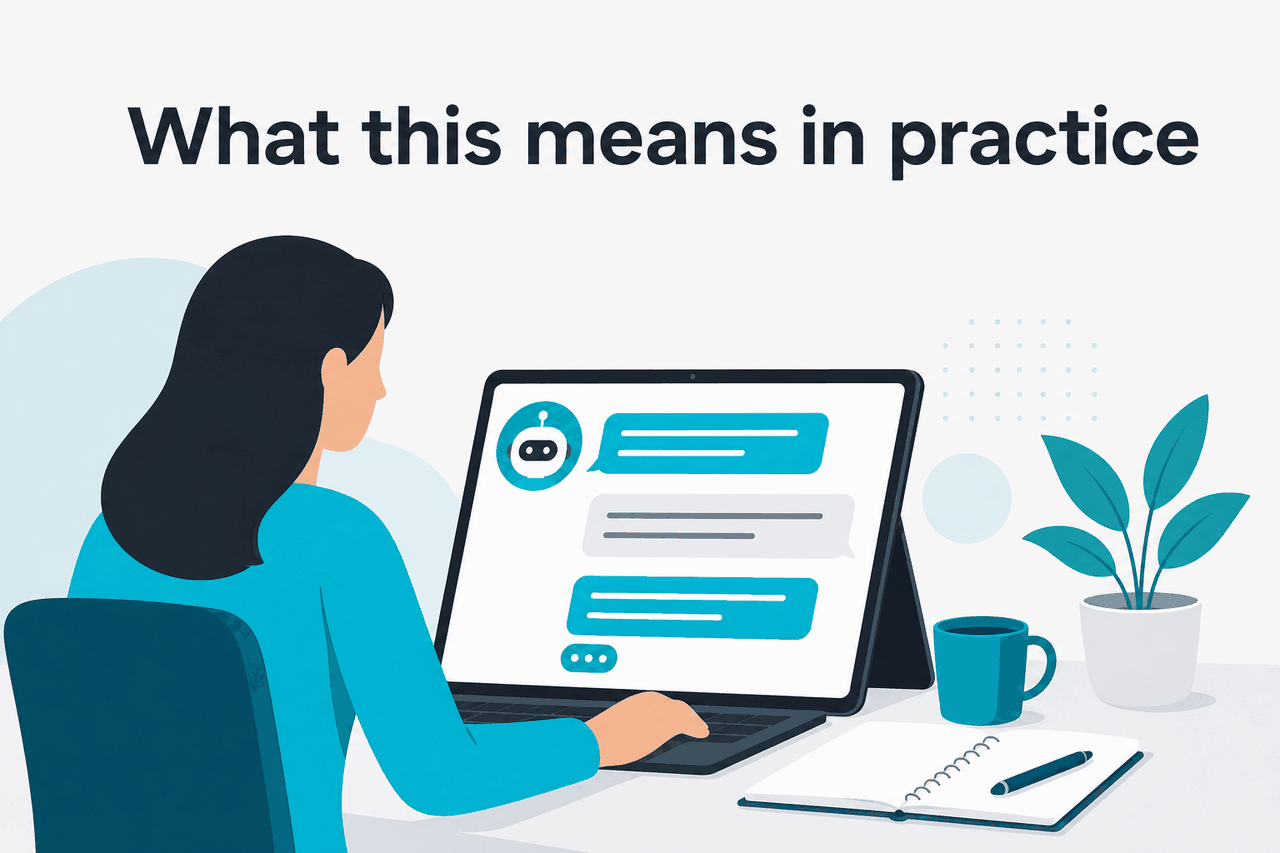
For most users, constitutional ai shows up as behaviour, not branding. You will notice it when Claude declines a dangerous request, flags uncertainty, rewrites a response to be less risky, or tries to preserve a cooperative tone during difficult prompts. If you use Claude for writing, coding, research support, or internal business tasks, that can be useful because the model is designed to stay within clearer boundaries than a pure “answer anything” system.
The trade-off is that stronger alignment can feel restrictive. Claude may refuse requests you consider legitimate, especially if they sit near safety or policy boundaries. That does not make constitutional ai bad; it means the design goal is not maximum compliance at all costs. Whether that is a benefit depends on your work. For many professional users, predictable boundaries are a feature. For users who want fewer refusals, it can be frustrating.
Pick when
- You want an assistant that aims to follow explicit behavioural principles
- You value cautious answers in legal, medical, security, or policy-adjacent topics
- You prefer a model that often explains limits instead of bluffing
- You need a team-friendly AI with a strong safety story from Anthropic
Skip when
- You expect the model to comply with every prompt regardless of risk
- You get frustrated by refusals or redirected answers
- You assume alignment guarantees factual accuracy
- You want constitutional ai to act like a visible user setting you can fully control
From a product perspective, constitutional ai is part of why Claude is often chosen for workplace use. Anthropic’s official ecosystem includes consumer access through claude.ai, developer access through platform.claude.com, and trust and security information at trust.anthropic.com. The specific model you choose still matters. Anthropic currently lists Claude Opus 4.7 as its flagship model, Sonnet 4.6 as the recommended default, and Haiku 4.5 as the faster lower-cost option.
| Model | Positioning | Input price | Output price | Context |
|---|---|---|---|---|
| Claude Opus 4.7 | Flagship | $5/M tokens | $25/M tokens | 1,000,000 tokens |
| Claude Sonnet 4.6 | Recommended default | $3/M tokens | $15/M tokens | Long context available |
| Claude Haiku 4.5 | Fast / cheap | $1/M tokens | $5/M tokens | Standard lower-cost tier |
90% off
cached input tokens with prompt caching
That pricing table is not a definition of constitutional ai, but it does answer a common practical question: the alignment approach is built into Claude models and products; it is not sold as a separate add-on. If you use Claude via the web app or API, you are using models shaped by Anthropic’s alignment methods already. For official plan details, see claude.com/pricing.
Other questions readers ask
The honest take
Constitutional ai is a real and useful idea, not just a label. It helps explain why Claude is often more rule-aware, more likely to self-correct, and more likely to refuse some requests than systems optimised mainly for raw compliance. If you want an assistant with clearer guardrails, that is a meaningful advantage.
It is also not magic. Constitutional ai does not eliminate hallucinations, bias, or frustrating refusals. The best way to think about it is this: Anthropic uses an explicit principles-based training method to shape Claude’s behaviour, and that choice affects how the product feels in day-to-day use. If that fits your needs, try the official product and compare it with your own prompts and workflows.
Independent guide. Not affiliated with Anthropic. For the official Claude product, visit claude.ai.
Last updated: 2026-05-12